Insights /October 16, 2026 /3 min read
F&B Branding in Indonesia: What Makes a Cafe Brand Memorable
Good coffee is the entry ticket. What makes people return, recommend and photograph a cafe is often the brand.
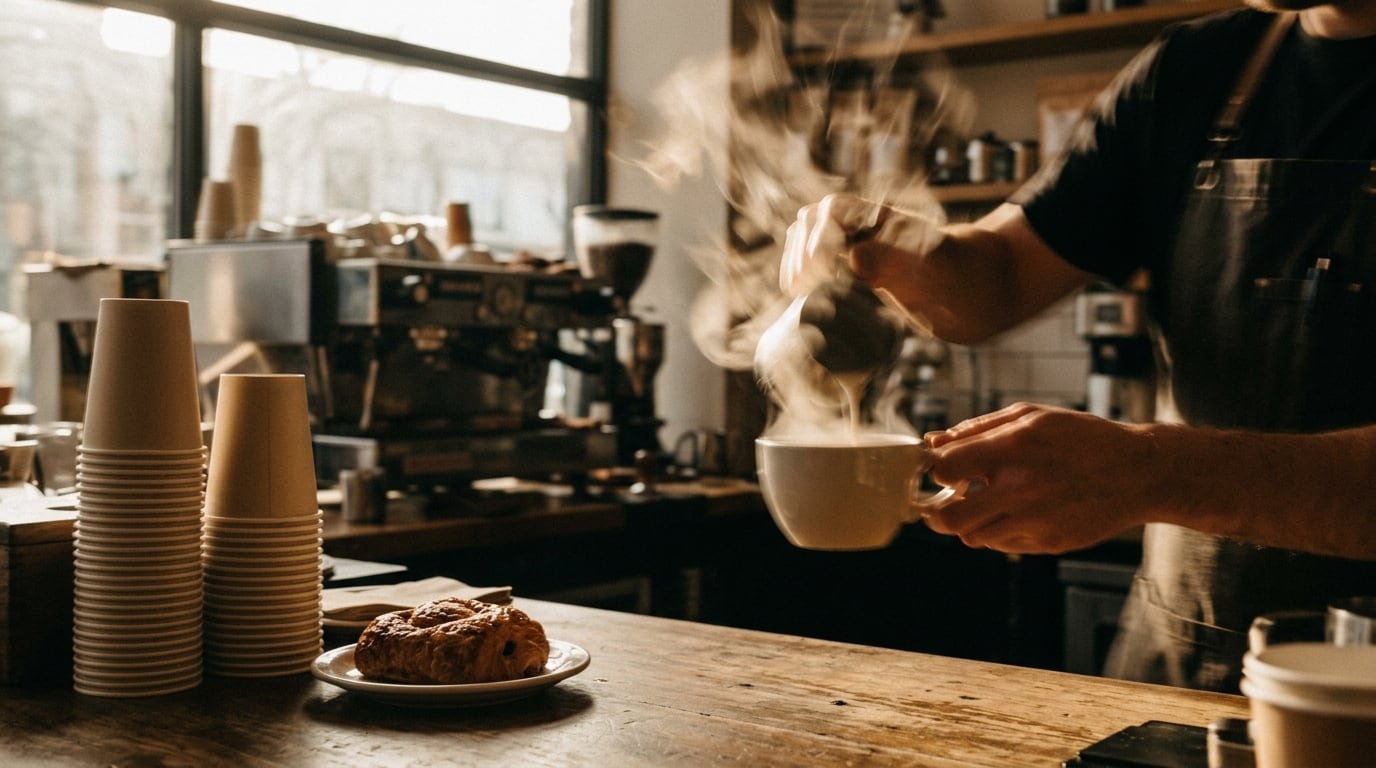
Indonesia’s cafe and restaurant scene moves fast. New places open every week, and many disappear just as quickly. Good food and coffee are the entry ticket, but what makes people come back, recommend a place and photograph it is often the brand: how it looks, how it sounds and how it feels to be there.
Here is what we have learned designing food and beverage brands in Indonesia.
Your cup is your billboard
For many cafes the most-seen brand touchpoint is not the storefront. It is the takeaway cup in a customer’s hand, the bag on a delivery driver’s motorbike and the photo on someone’s feed. Design these first and design them well. For Imago Hills, a crisp blue and white identity with a star-like emblem is simple enough to repeat on every cup and bag, and bold enough to anchor the cafe interior.
Let the space lead when it can
Some venues already have a strong architectural character. In those cases the best identity works with the building instead of competing with it. Mutu Loka sits in a brick building, so its flowing script wordmark and simple supporting graphics were designed to feel at home against warm brick and green.
Heritage sells, if you show it
Many Indonesian food brands have decades of history, and customers value it. A long-running family recipe is a story most new competitors cannot copy. Ayam Simpang Siliwangi has served the same grilled and fried chicken since 2003, so its rejuvenated identity puts that heritage front and centre, from the hand-lettered logo to takeaway boxes and plates.
Design for delivery apps and marketplaces
A large share of orders arrives through delivery apps, where your brand appears as a small square next to dozens of competitors. Check that your logo reads at thumbnail size, that your menu photography is consistent, and that packaging survives a motorbike ride and still looks good when opened.
Packaging is part of the meal
For packaged food, the pack has to do the work of a waiter: explain the product, make it look delicious and help people choose. Sosis Paskali, a homemade sausage brand founded in 1983, uses a deep red base, a clear view of the product and bold variant names so shoppers can tell Beef Chorizo from Premium Smoked Cheese at a glance.
Uniforms and details build trust
Staff uniforms, aprons, table numbers and menus are small investments that make a place feel considered. They also appear in almost every customer photo. Treat them as part of the identity, not an afterthought.
Keep the system simple enough to run
F&B teams change menus, launch promotions and post daily. If every new item needs a designer, the brand will drift. Build simple templates for menus, promos and social posts, and a short guide the team can follow on a busy day.
An F&B branding checklist
- Cups, bags and packaging designed first, as the most-seen touchpoints
- Identity that works with the space, not against it
- Your story, especially heritage, visible to customers
- Logo and photography that work at delivery-app thumbnail size
- Uniforms, menus and table details included in the system
- Templates the team can use without a designer
From cafes and matcha bars like Caru Matcha Bar to heritage eateries and packaged foods, F&B is one of the fields we know best at CCnC. If you are opening or refreshing a place, tell us what you are cooking.
More Insights
View all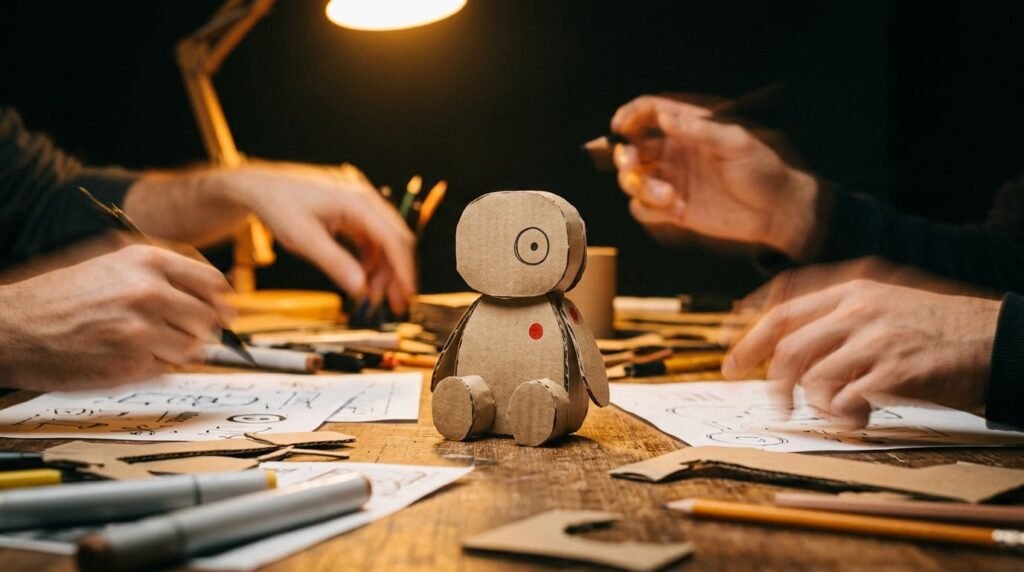
Oct 16, 2026 /EN /Identity Design
Brand Mascots That Work: Designing a Character People Want to Talk About
A logo cannot wave, joke or apologize. A good brand character can. How to design one that works across feeds, packs and chats.

Oct 16, 2026 /EN /Brand Strategy
Brand Architecture for Holding Groups: Branded House or House of Brands?
When one brand becomes many, how should they relate? The three common models and how to choose, with examples from wellness and hospitality.

Oct 15, 2026 /EN /Verbal Identity
One Voice, Two Languages: Building a Bilingual Verbal Identity
Customers read a brand before they study its logo. How to give a brand one personality that sounds native in two languages.