Insights /October 16, 2026 /3 min read
Brand Mascots That Work: Designing a Character People Want to Talk About
A logo cannot wave, joke or apologize. A good brand character can. How to design one that works across feeds, packs and chats.
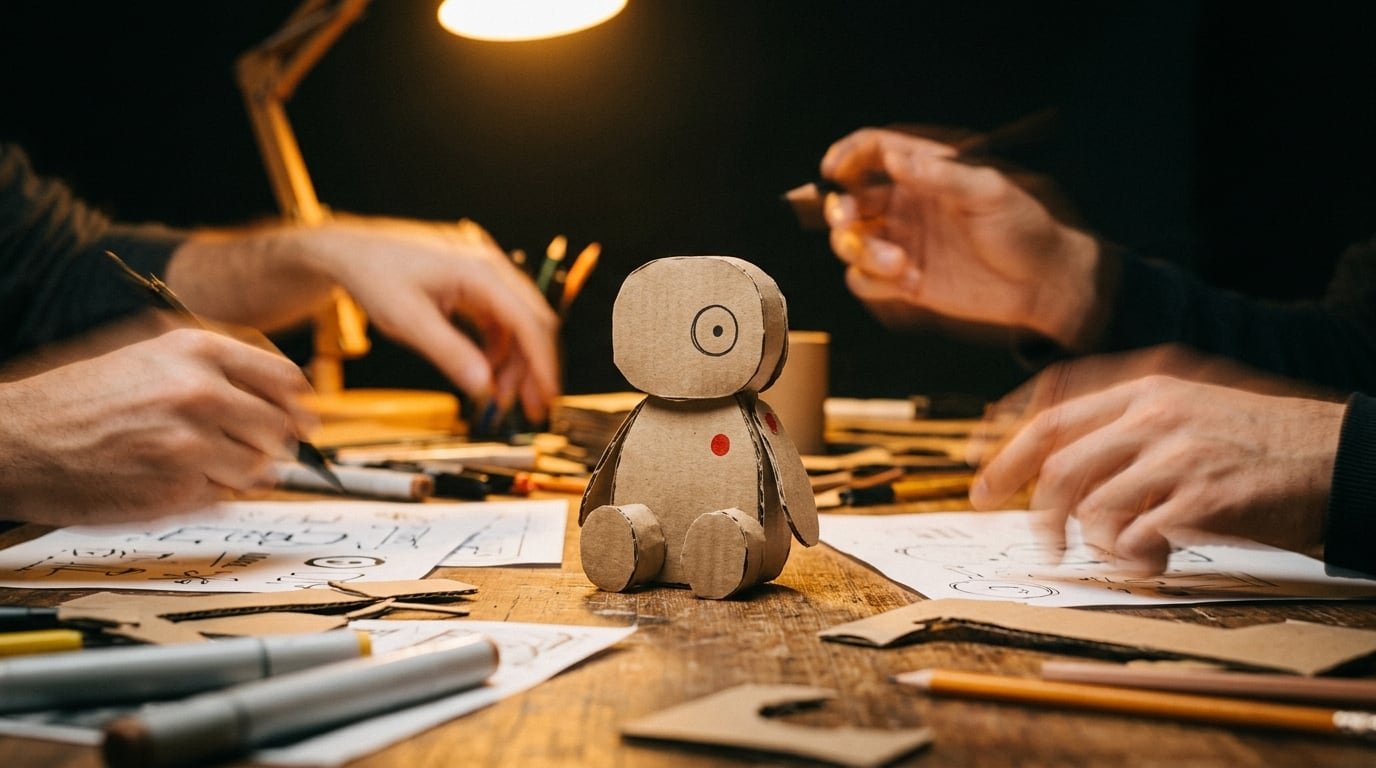
Mascots have a reputation problem. Many people picture cartoon characters from old television adverts. Yet a well-designed brand character can do something a logo cannot: it can move, react, joke and show emotion. In a world of social feeds and messaging apps, that makes a character one of the most versatile tools a brand can have.
Here is how to design a mascot that people actually want to talk about.
Start with a reason, not a drawing
A character should solve a brand problem. Common reasons include:
- Making a technical or “boring” product approachable
- Giving the brand a voice on social media that a logo cannot have
- Explaining complex ideas through a friendly guide
- Creating something children, families or communities can connect with
If you cannot say in one sentence what the character is for, you do not need one yet.
Build the character from the product
The strongest mascots grow out of what the brand actually is. For Muliabox, a cardboard packaging company, the character is a cheerful box with arms, legs and plenty of personality. It turns a commodity into something warm and memorable, and it carries the brand line Bagus Pakai Kardus naturally.
For Bell Living Lab, a bio-leather company, illustrated characters help explain living materials and microorganisms in a way people can relate to. The science stays credible; the characters make it approachable.
Give it a personality, in writing
Before drawing details, write the character’s personality: what it likes, how it talks, what makes it nervous, how it reacts when something goes wrong. This becomes part of the brand’s verbal identity and keeps the character consistent when different illustrators, animators and copywriters work with it.
Design for movement and many sizes
A mascot will appear as a large mural, a small sticker, a favicon-sized avatar and an animated reaction. Test it at every scale:
- Is the silhouette recognizable in a single colour?
- Does it still read at very small sizes?
- Can it show at least five clear emotions?
- Does it animate naturally, or does its shape fight movement?
Create a pose and expression library
Give the team a ready set of poses and expressions: waving, celebrating, apologizing, thinking, pointing. This lets marketing and customer service use the character daily without a new illustration for every post.
Keep it on brand
A mascot should share the brand’s colours, line quality and tone. When it starts looking like a different illustration style each month, it stops being an asset and becomes noise. Document the rules: line weight, colour, proportions, and what the character would never do.
Let it speak where people talk
Characters shine on social media, stickers for messaging apps, packaging surprises and customer service. Muliabox uses its illustration system across social posts, from playful comic strips to moments like “This might be love? IDK”, turning a packaging brand into something people share.
A brand mascot checklist
- A one-sentence reason for the character to exist
- A concept that grows out of the product or brand story
- A written personality and voice
- Tested at every size and in a single colour
- A library of poses and expressions
- Rules that keep it consistent across illustrators
Character design, illustration and motion are part of the graphic design and multimedia work at CCnC. If your brand needs a face, let us meet it together.
More Insights
View all
Oct 16, 2026 /EN /Industries
F&B Branding in Indonesia: What Makes a Cafe Brand Memorable
Good coffee is the entry ticket. What makes people return, recommend and photograph a cafe is often the brand.

Oct 16, 2026 /EN /Brand Strategy
Brand Architecture for Holding Groups: Branded House or House of Brands?
When one brand becomes many, how should they relate? The three common models and how to choose, with examples from wellness and hospitality.

Oct 15, 2026 /EN /Verbal Identity
One Voice, Two Languages: Building a Bilingual Verbal Identity
Customers read a brand before they study its logo. How to give a brand one personality that sounds native in two languages.